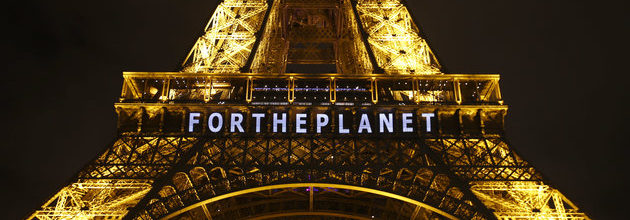
The Paris Agreement was finalized at a global climate conference in 2015 and entered into force in November 2016. More than two hundred parties signed the deal - only Syria and Nicaragua have failed - and committed to voluntary reductions in carbon emissions with the goal of keeping global temperature increases below 2°C.”
Donald Trump announced in June 2017 that the United States will exit the Paris Agreement. By withdrawing, the United States—the second-largest global emitter—could undercut collective efforts to reduce emissions, transition to renewable energy sources, and lock in future climate measures. In a worst case scenario, the US withdrawal could add 0.3ºC to global temperatures by the end of the century.
The big question now is how other countries will respond to Mr. Trump’s withdrawal: Do they keep pressing ahead with climate action anyway, or does the accord start to unravel without the United States? Leaders in Europe, China and India have insisted that they will carry on tackling global warming without the United States. But the precise shape of future climate talks remains an open question. One possibility is that, with the world’s second-largest emitter pulling out, other countries may feel less pressure to step up their own plans to curb greenhouse gases. “Other governments and industries could say, if the United States is being less ambitious, why should we take on these extra costs?” said Elliot Diringer, executive vice president of the Center for Climate and Energy Solutions. Mr. Trump has vowed to cancel all future payments, and developing nations in Africa and Asia may now prove less eager to tackle their emissions as a result. What is every country doing until now about renewable energy?
Renewables